

RESOURCING

Match demand to capacity with a live view of pipeline and delivery.

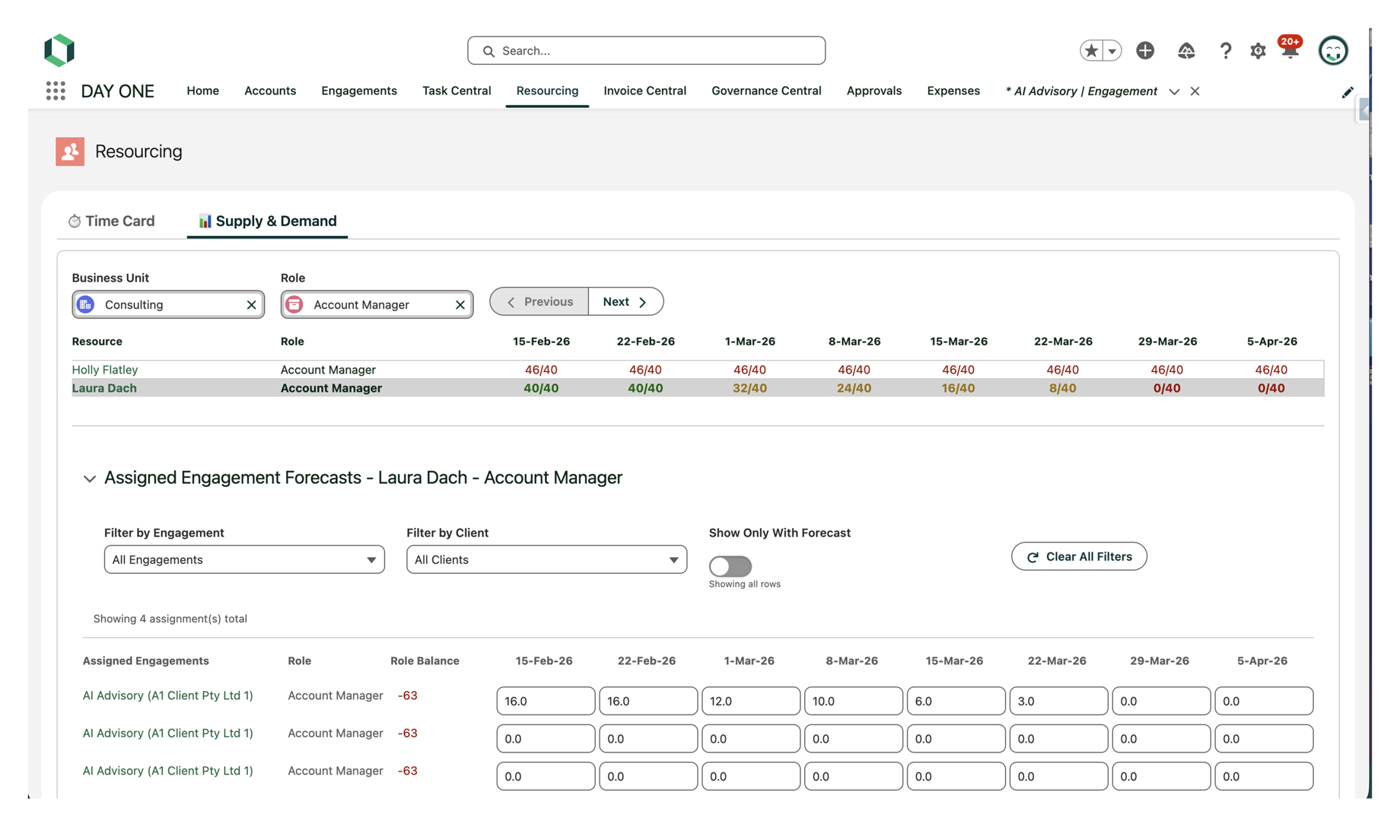
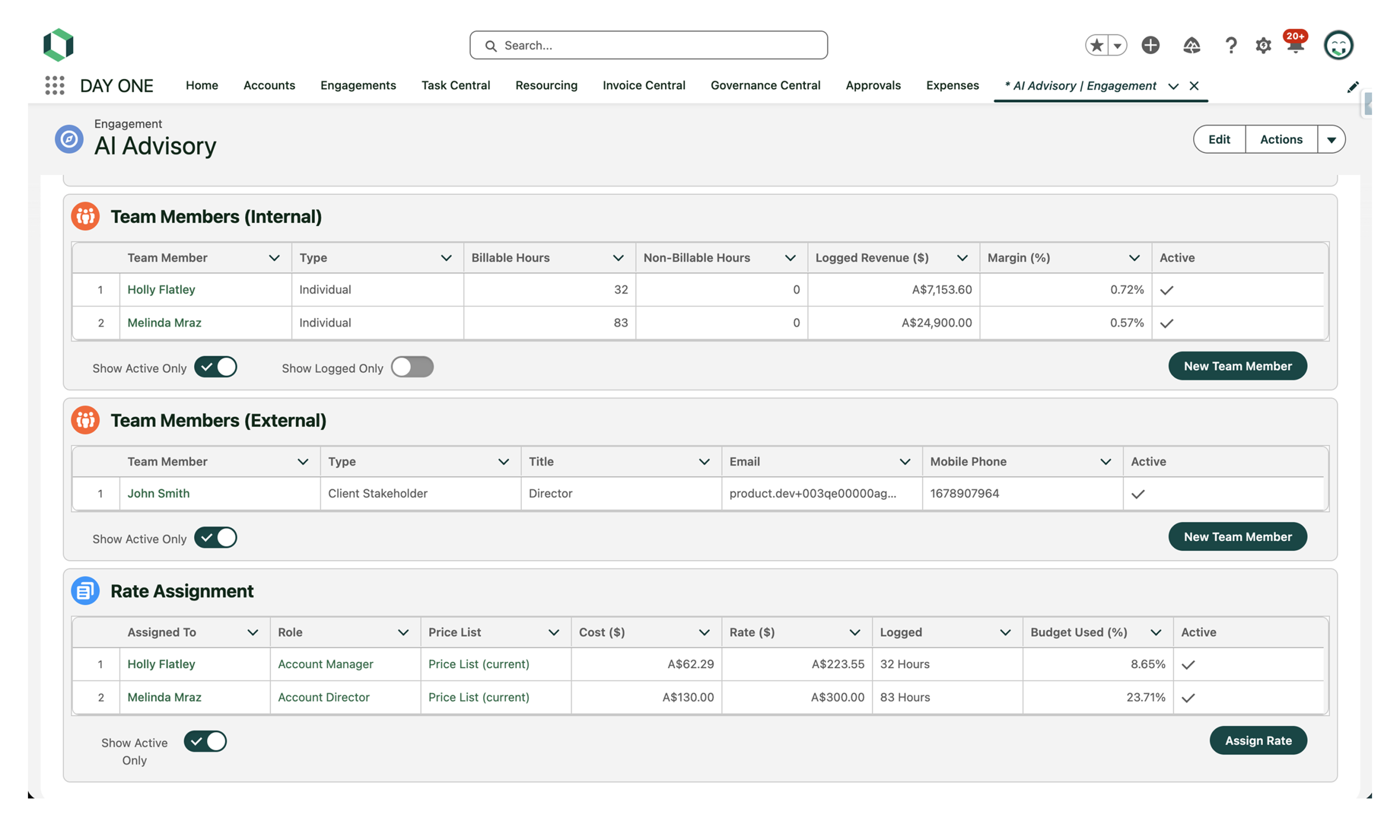
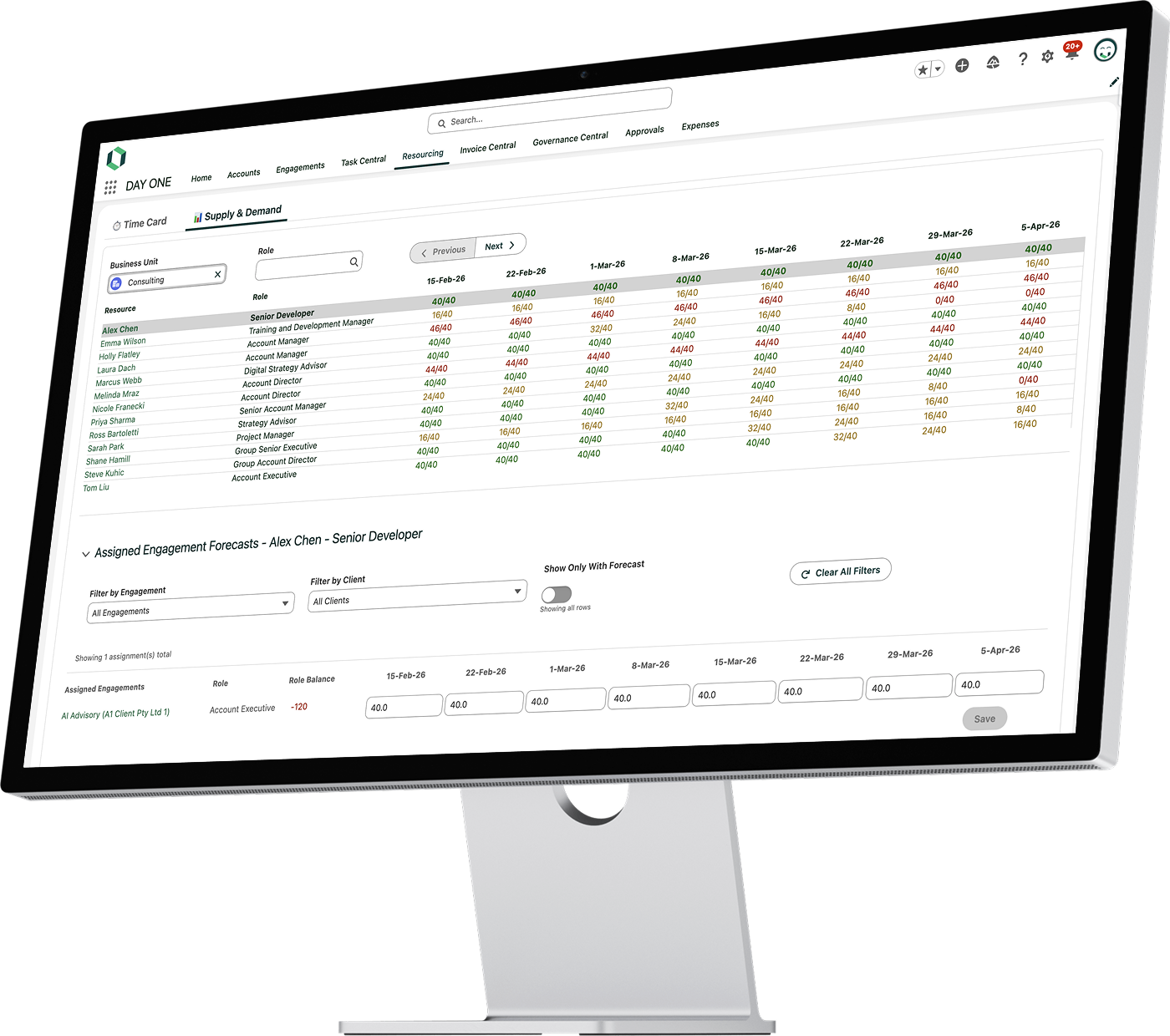
Plan utilisation and staffing from one operating record, connected to pipeline, active engagements, and time data.

Works with your existing Salesforce org, or bundled if you are not using Salesforce.
RESOURCING FAILS WHEN FORECASTS ARE DISCONNECTED FROM DELIVERY

Most resourcing plans break because sales, delivery, and finance are running different versions of reality.

Common Pain Points

  1. Pipeline does not reflect real staffing impact
  2. Utilisation reporting is late or disputed
  3. Delivery plans change, resourcing plans don’t
  4. Hiring decisions made with weak signals
  5. Capacity clashes discovered too late

LIVE ENGAGEMENTS

RESOURCING GROUNDED IN

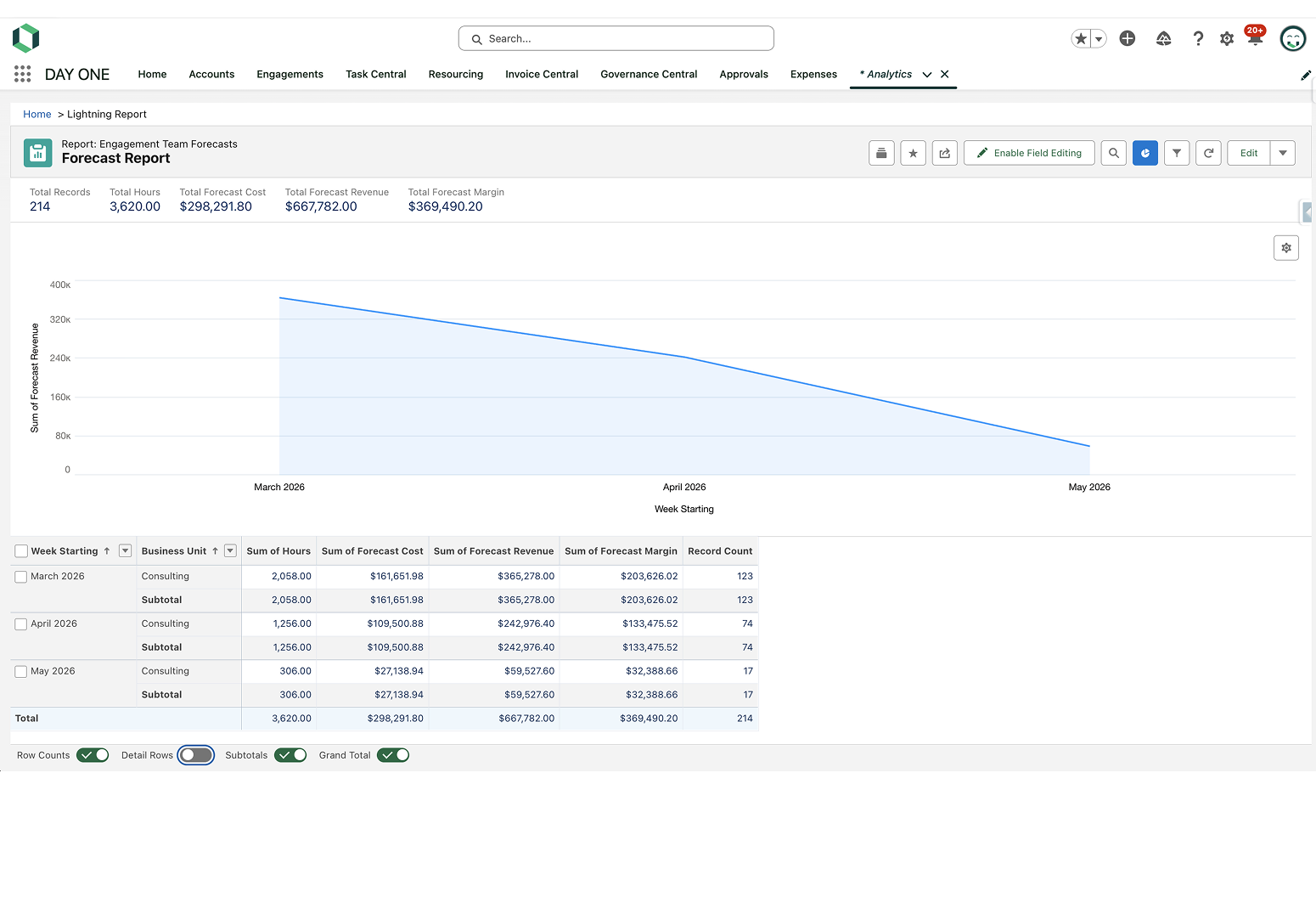
Resourcing that stays connected to opportunities, engagements, and actuals, so planning is grounded and defensible.

core features

Capacity and
demand view

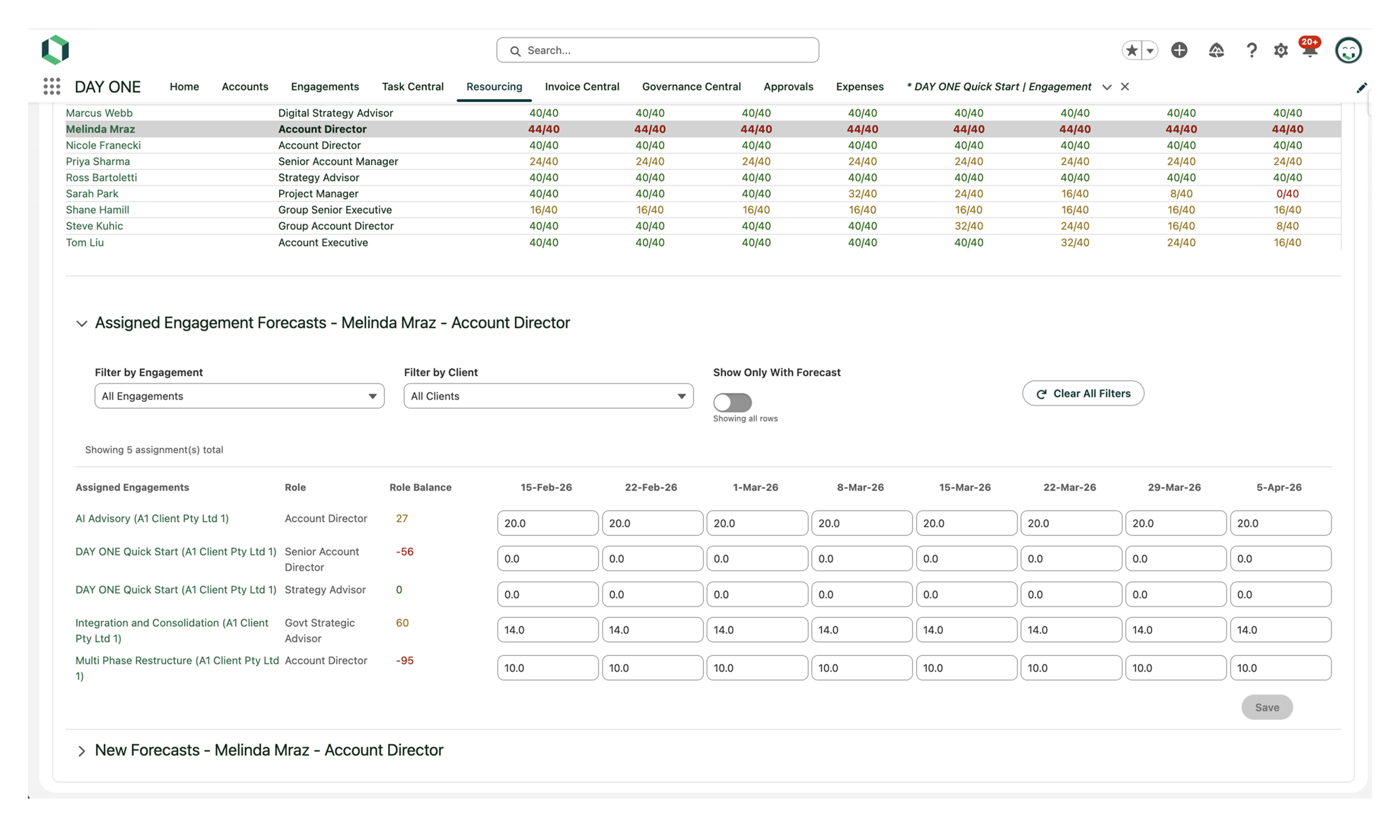
See supply and demand across roles, teams, and time periods.

Pipeline-to-capacity
linkage

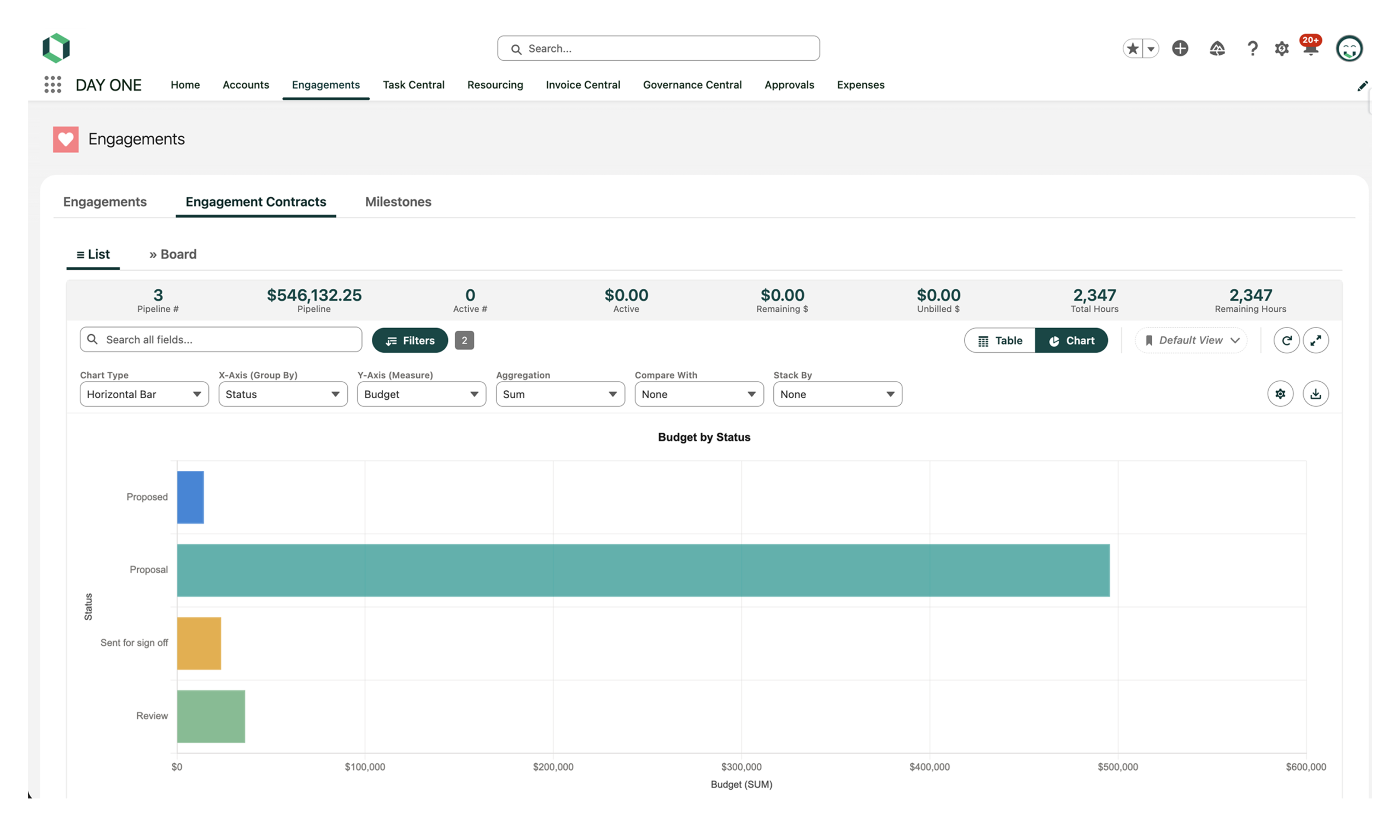
Forecast demand from pipeline stages and engagement plans.

Utilisation
visibility

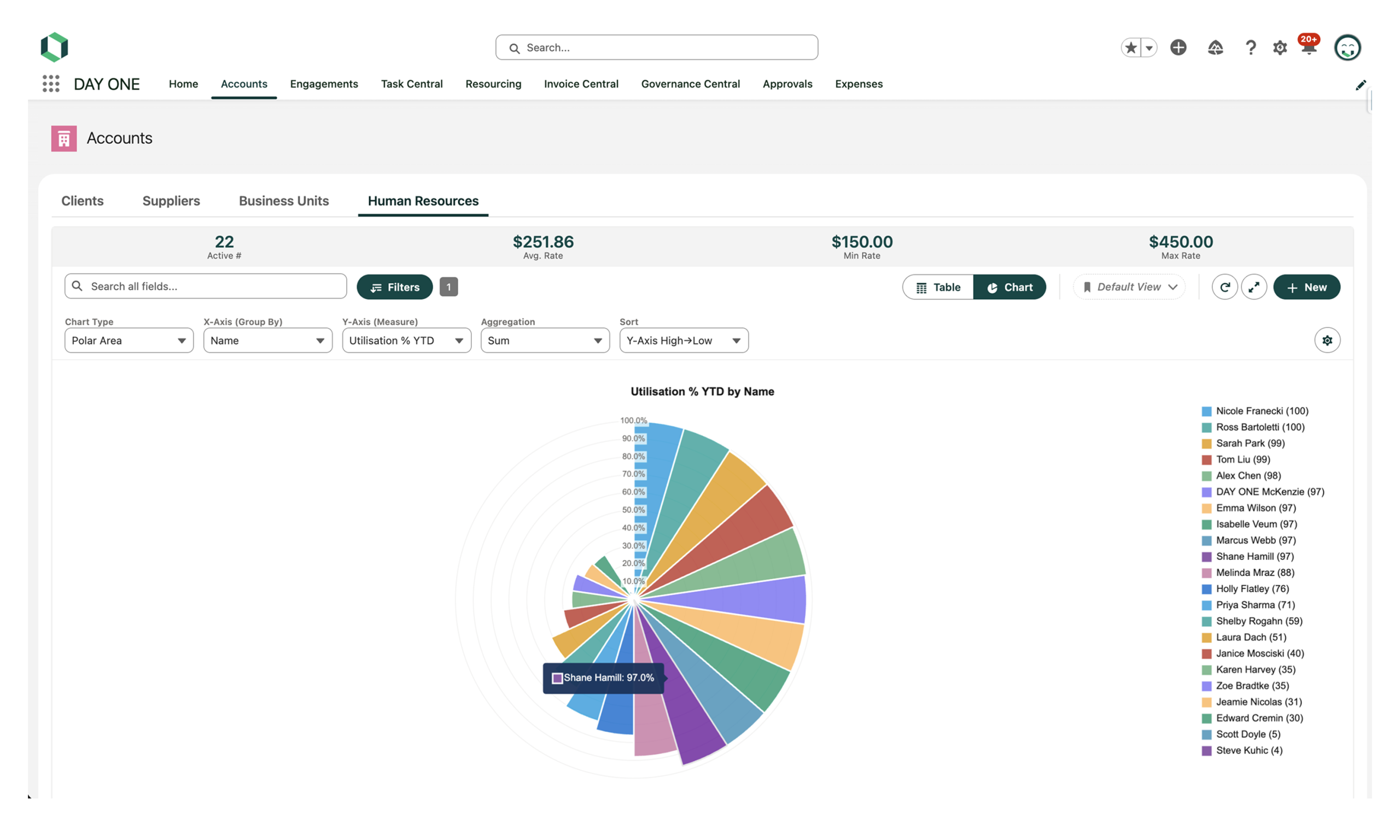
Track utilisation from governed time and delivery data.

Allocation and
conflict management

Plan allocations and surface clashes before they become delivery issues.

Scenario
planning

Test staffing options against real constraints and targets.

From demand to staffed delivery

01

See demand
clearly

Pipeline and engagements roll up into one view.

02

Understand
capacity

Roles, availability, and constraints are visible.

03

Allocate and resolve conflicts

Plan staffing and fix clashes early.

04

Track
utilisation live

Compare plan vs actual as delivery moves.

05

Adjust before
margin suffers

Make staffing decisions from real signals.

Expected

Outcomes

Expected

Outcomes

More reliable forecasting

Plans reflect delivery reality.

Fewer resourcing clashes

Conflicts surface earlier.

Cleaner utilisation reporting

Less debate, more signal.

Better timed hiring

Decisions improve when the data is connected.

Frequently Asked Questions

Can we plan by role rather than named people?

Yes. Role-based planning is supported.

Can we run multiple teams and practices?

Yes. Resourcing can be structured by teams, practices, and roles.

Does it connect to revenue forecasting?

Yes. It stays linked to pipeline, engagement plans, and billing expectations.

Do we need perfect time capture?

No, but stronger time governance improves accuracy and trust.

What size teams benefit most?

Works for all sizes, but mid-sized teams benefit most when capacity planning becomes a constraint.